
Eating Clean
Eating organic is tasty, nutritious and blimmin expensive. If you don’t have the time or garden area to grow your own, then being aware of the fruit and vege that contain the most and least traces of pesticides is helpful towards good health. Specifically, it will reduce the load the body has to detox and have more nutrients.
The Dirty 15
This list was comprised by the Environmental Working Group and is listed in order of the most contaminated fruits and vegetables. However looking at other lists, the bottom 3 are also included. Loose rule of thumb, the thicker the skin the less pesticides – herbicides, insecticides and fungicides.
Apples
Celery
Capsicum
Peaches
Strawberries
Nectarines
Grapes
Spinach
Lettuce
Cucumbers
Blueberries
Potatoes
Tomatoes
Cherries
Pears
The Clean 15
This list is the fruits and vegetables with the least amount of pesticide residue found on them.
Onions
Sweetcorn
Pineapples
Avocado
Cabbage
Peas
Asparagus
Mangoes
Eggplant
Kiwifruit
Melon
Kumara / Sweet Potatoes
Grapefruit
Watermelon
Mushrooms
Ceres NZ has very similar information
Tips
- Shop seasonally and load up on organic produce when it’s cheaper and preserve or freeze them.
- Keep the 15’s list handy in your phone or shopping bags
- Shop at the local markets and get to know your organic producers
- Stay away from generic labels like ‘natural’ or ‘homegrown’, they do not mean organic.
- Grow your own food
- Join communities who have large fruit trees/gardens and share/swap/buy excess food
- Clean your veggies
Removing Pesticides from your Veggies
- Soaking veggies in 1 tsp Sodium Bicarbonate or 1/2 – 3/4 cup of vinegar (acetic acid) are proven to be the most effective way of reducing pesticides and herbicides (up to 70-80%) from your food. Warm water, agitation and length of time immersed (10-15 minutes) make a big difference.
- Ultra sound
- Cooking, boiling, steaming, pickling and fermenting removes 50-100%
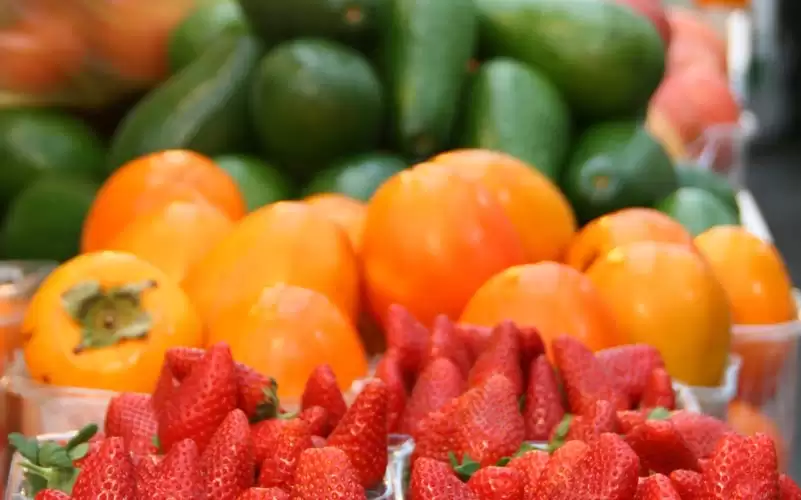
Photo by Yuval Yehudar on Unsplash